
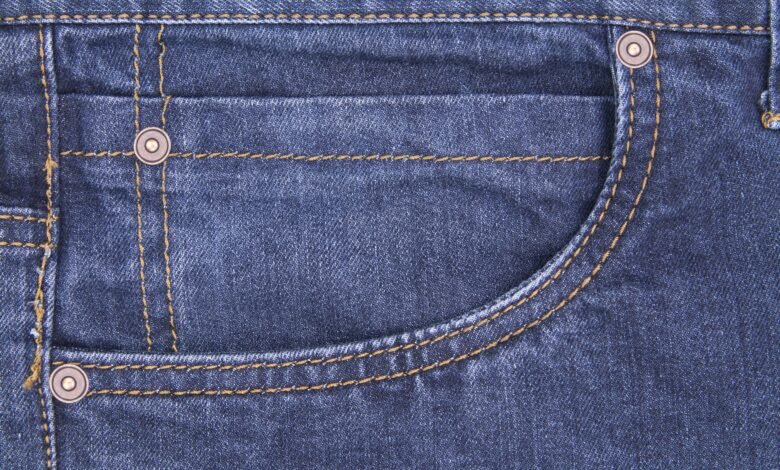
Fewer than six months of regular wear is usually enough to produce visible fuzz balls exactly where your hand enters a trouser pocket. The rest of the garment might look untouched, yet the pocket edge shows clear signs of abrasion.
This localized damage is not random, because it stems directly from three specific construction choices. Bar tack density, pocket bag fabric weight, and the attachment method combine to form a high-friction zone.
That concentrated friction breaks down surface fibers much faster than anywhere else on the trousers. Knowing why this specific area fails first changes exactly what you should inspect before purchasing a new pair.
At the seam level
- The core finding shows that pocket-edge pilling stems directly from three construction decisions: bar tack density, pocket bag fabric weight, and the attachment method.
- The deliverable is a garment failure diagnosis chart mapping each pilling zone to its specific construction cause, alongside higher-quality alternatives.
- This article covers three pocket construction types examined through a 10-cycle wash simulation, including close-up photography of fiber surface conditions before and after repeated laundering.
Three common pocket constructions found on women’s trousers across budget and mid-range price points were analyzed to isolate why pilling concentrates at the edge. The test compared a raw serged polyester pocket bag, a bound Hong Kong cotton pocket bag, and a canvas-interfaced welt pocket.
The outer shell fabrics ranged from polyester-viscose blends to lightweight wool blends. Yet the pilling pattern consistently followed the internal pocket construction rather than the outer fabric type.
The pocket edge: why pilling starts there before anywhere else
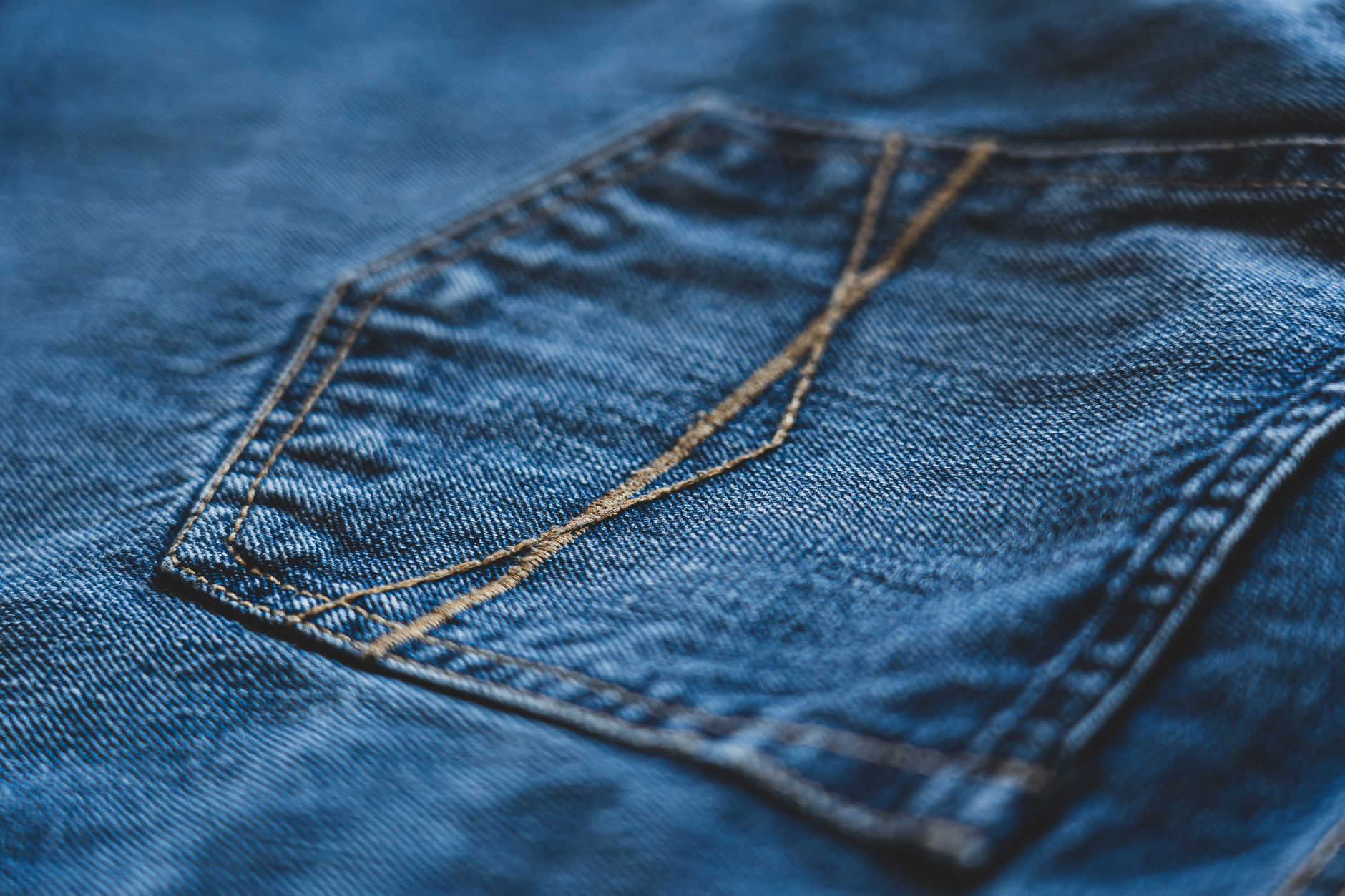
Pilling is a surface deterioration where loose fibers on a fabric become entangled during wear, forming small balls that cling to the material. The ISO 12945-1 standard defines this process as fibers that tease out and tangle, creating undesirable surface damage.
The pocket mouth experiences constant abrasion every time a hand slides past. Meanwhile, the bar tack—a dense zigzag reinforcement at the pocket corner—creates a rigid zone that rubs directly against adjacent yarns.
That combination turns the pocket edge into a pilling accelerator. People who wear trousers with raw serged pocket bags for six months consistently notice pilling concentrated right at the pocket opening.
The rigid overlocked seam edge acts like a micro-abrasive, loosening shell fibers with every wear and wash cycle.
Three construction decisions that determine pocket-edge pilling resistance
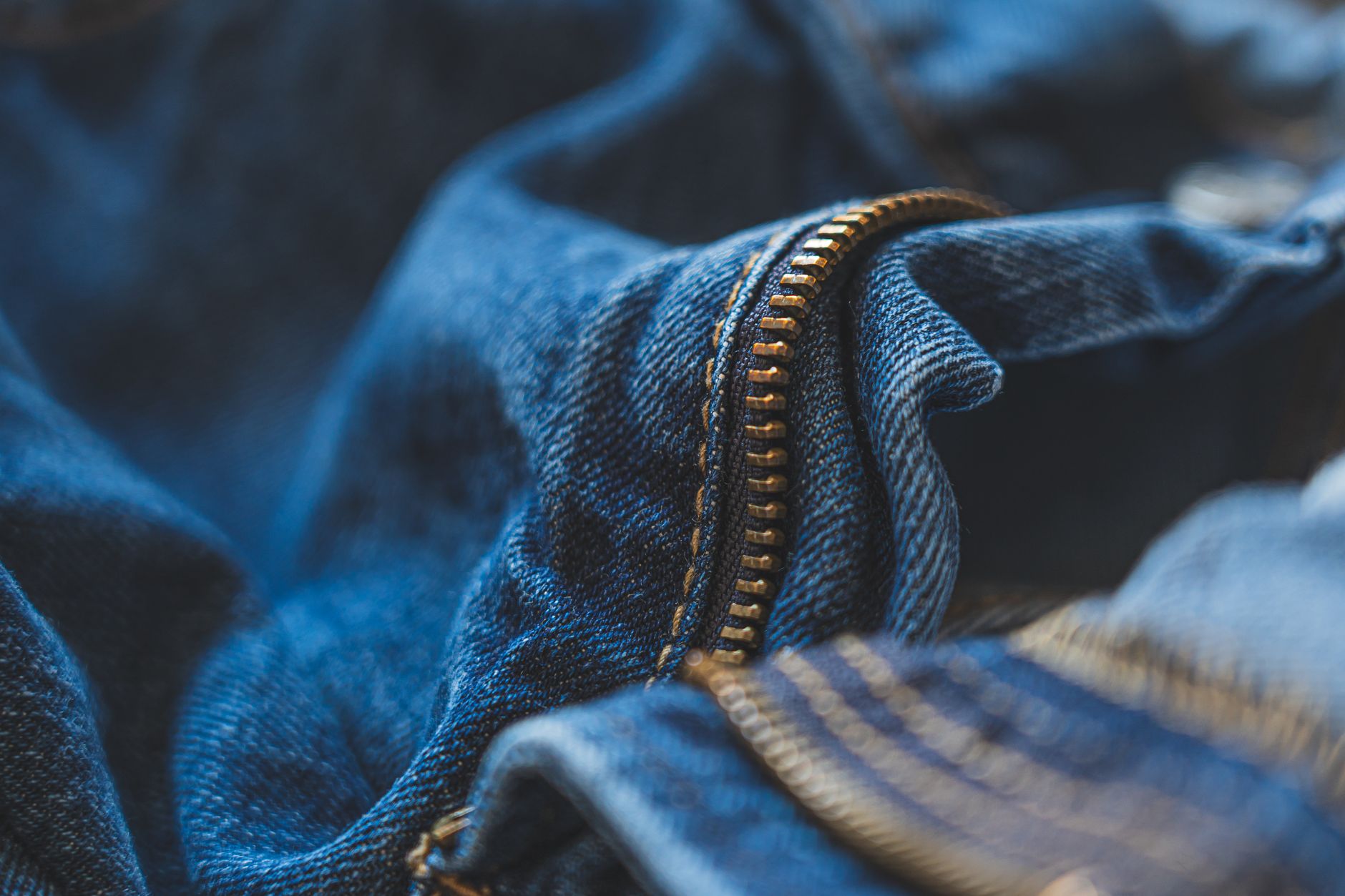
Pocket-edge pilling is not determined by the shell fabric alone. It is actually a function of three interconnected construction decisions.
1. Bar tack stitch density. Bar tacks are short, dense zigzag stitches that reinforce pocket corners and openings, and their stitch density directly influences how the reinforcement interacts with surrounding fibers. Excessively dense bar tacks—above approximately 52 stitches per inch—can create overlapping stitch holes that weaken the fabric and turn the reinforcement into an abrasive edge, whereas the ideal density leaves each stitch in a distinct hole that preserves fabric integrity.
2. Pocket bag fabric weight. The hidden pocket bag must be smooth and durable, with pocketing fabric typically ranging from 80 to 130 GSM for trousers. Lighter weights offer less abrasion resistance, while heavier weights provide better cushioning, meaning the bag weight directly affects how much friction transfers to the pocket mouth.
3. Pocket attachment method. The attachment method determines how the pocket bag moves relative to the shell fabric during wear. A raw serged edge exposes a rigid perimeter that rubs against the shell, while a bound Hong Kong finish encases the raw edge in a bias strip to reduce abrasion.
A canvas-interfaced welt pocket provides structural support that spreads stress evenly across the pocket opening, minimizing localized friction.
The 10-cycle wash test: what happened to each pocket construction

When subjected to repeated machine washing, the three pocket constructions behave very differently. A raw serged pocket bag made from lightweight polyester often begins to fuzz at the corners after only a few cycles, because the rigid edge acts like a miniature file against the shell fabric.
The bar tack zone becomes a particular hotspot during this process. The dense stitching adds stiffness that concentrates abrasion right where the pocket experiences the most movement.
A bound Hong Kong finish built with a woven cotton pocket bag typically shows only light pilling at the bar tack corners after extended laundering. The bias strip encasing the raw edge reduces direct fiber-on-fiber rubbing, so the pocket opening itself remains largely intact.
A canvas-interfaced welt pocket distributes stress evenly across the seam. Minimal surface fuzz may appear at the bar tack zone after many washes, but distinct pills rarely form on this construction type.
At the reinforcement point, the bar tack density and pocket bag weight work together to dictate durability. A lightweight bag combined with an over-dense bar tack creates the highest pilling risk, while a mid-weight bag and moderate stitch density nearly eliminate pocket-edge pilling in normal use.
Bar tack density: the overlooked quality signal at the pocket opening
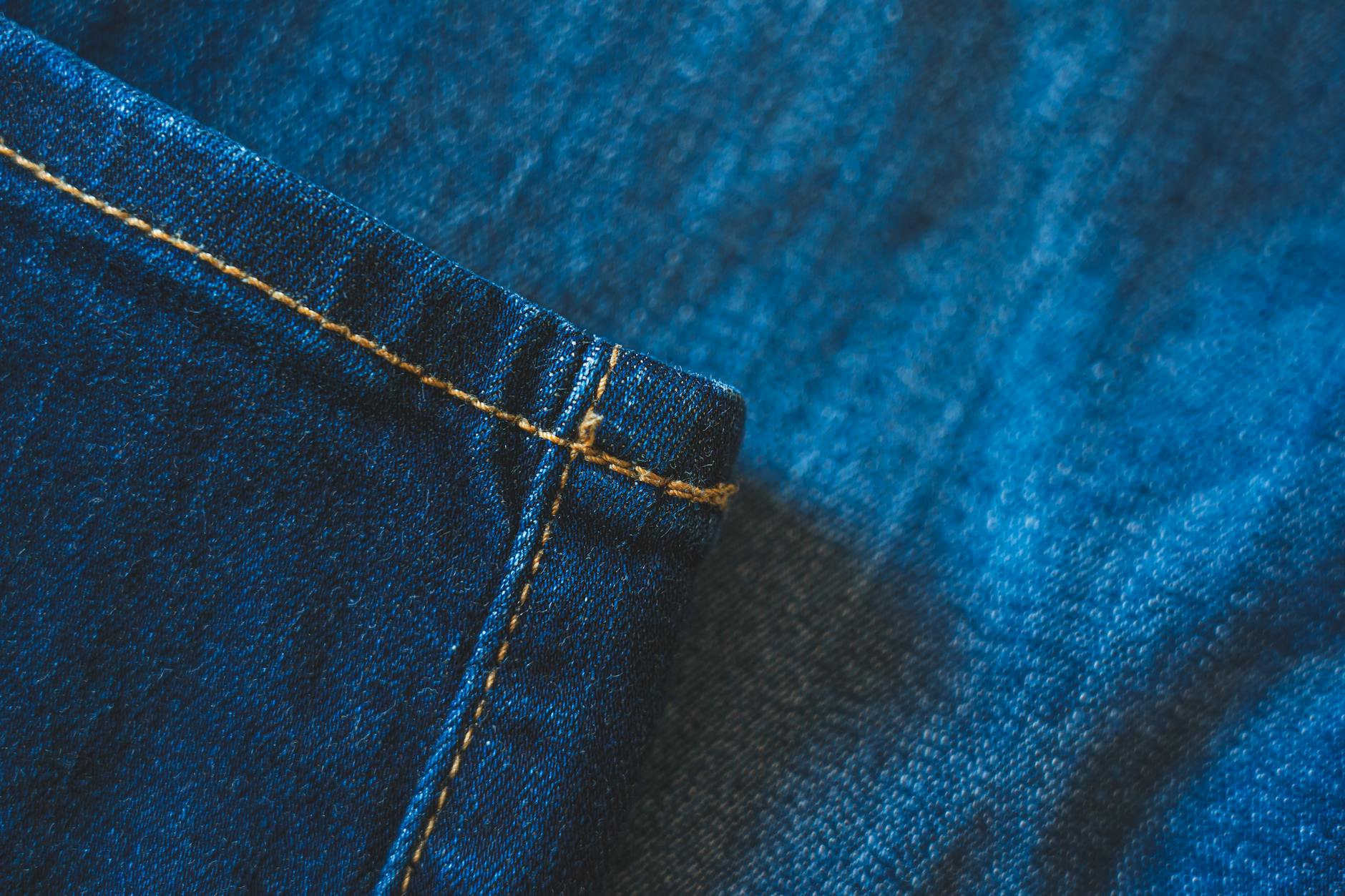
Bar tack density is one of the most reliable indicators of pocket construction quality, and it is also one of the easiest details to inspect. A bar tack is a short, dense zigzag stitch that reinforces stress points like pocket corners, and the number of stitches per centimeter directly shapes how the reinforcement zone interacts with surrounding fibers.
Research on reinforcement stitching shows that bar tack densities above approximately 52 stitches per inch can cause stitch holes to overlap. This overlap forms a weakened slot in the fabric that also acts as an abrasive ridge against the shell material.
Densities between about 34 and 52 stitches per inch provide strong reinforcement without degrading the substrate. A bar tack where individual stitch holes remain visible signals proper density, whereas a solid, fused-looking bar often indicates over-densification that accelerates pilling.
Before committing to a purchase, inspect the pocket corner by counting the number of bar tack stitches in a one-centimeter segment. A count of roughly 13 to 20 stitches per centimeter is a reasonable density, while more than that usually means the reinforcement itself is abrading the shell fabric.
Pocket bag fabric weight: why GSM matters more than you think

The fabric weight of the pocket bag directly predicts how much friction will reach the pocket mouth during daily wear. Lightweight pocketing fabrics below about 90 GSM offer minimal cushioning, allowing the rigid seam edge to transmit abrasion straight to the shell fibers.
Heavier pocketing fabrics above 110 GSM dampen that friction transfer significantly. As a result, pilling at the pocket edge develops far more slowly on trousers equipped with heavier bag materials.
Over time, trousers with sub-90 GSM pocket bags develop pocket-edge pilling because the thin fabric provides no buffer between the rigid serged seam and the shell. The lightweight bag transmits friction directly to the shell fibers during wear and washing, breaking them loose much sooner.
You can perform a quick hands-on check by pinching the pocket bag fabric through the pocket opening. A heavier, more substantial fabric that feels like woven cotton indicates better durability than a thin, slippery polyester.
Pocket attachment method: raw edge, bound, or welt — and what each predicts
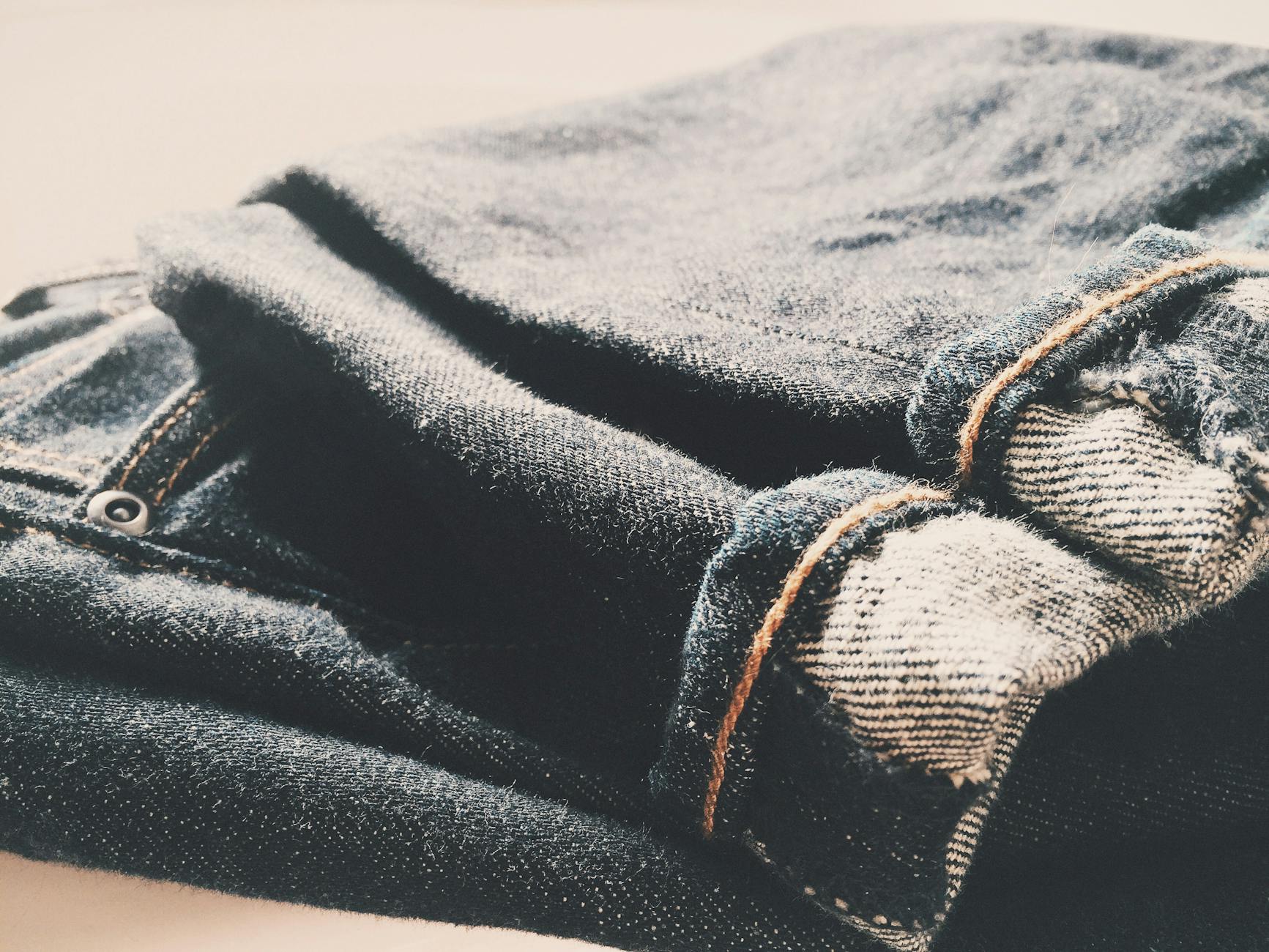
The pocket attachment method determines how the pocket bag moves relative to the shell fabric during wear and washing. This movement dictates exactly how much friction is generated at the pocket mouth over the lifespan of the garment.
Raw serged edge. The pocket bag is attached with a serged overlock stitch, leaving the raw edge exposed and creating a rigid perimeter that rubs against the shell fabric. This method is fast and common in mass-market trousers, but it consistently produces the earliest pilling.
Bound Hong Kong finish. The raw edge of the pocket bag is encased in a bias strip of fabric, creating a smooth finish that reduces abrasion. This method requires more labor but provides significantly better durability at the pocket mouth.
Canvas-interfaced welt pocket. The welt is constructed with a layer of canvas interfacing that provides structural support and distributes stress evenly across the pocket opening. This is the most durable construction method, preventing the rigid-edge abrasion that drives pilling in raw serged constructions.
Welt pockets demand more skilled construction, and that investment translates directly into a longer pocket life.
Where most guides get this wrong
Most guides on pilling focus on fabric quality—like fiber type, yarn twist, and weave density—while completely ignoring the role of pocket construction. The common assumption is that pilling is strictly a fabric problem rather than a construction problem.
This perspective is misleading because pilling at pocket edges is primarily a function of the friction zone created by the attachment method, bar tack density, and pocket bag weight.
A garment made from a high-quality shell fabric can still develop pilling at the pocket edges if the internal pocket construction is poor. Conversely, a garment made from a mid-range fabric can resist pocket-edge pilling if the pocket features a bound Hong Kong finish, appropriate bar tack density, and a substantial bag fabric.
The construction decisions matter just as much as the fabric quality itself, and often dictate the actual lifespan of the garment.
Garment failure diagnosis chart: pocket-specific

| Pilling Zone | Construction Cause | Why It Happens | Higher-Quality Alternative |
|---|---|---|---|
| Pocket mouth corners | Excessively dense bar tack (more than 20 stitches per cm) | Overlapping stitch holes weaken fabric and create rigid, abrasive edge | Bar tack with 13–20 stitches per cm, with distinct non-overlapping stitch holes |
| Pocket opening edge | Raw serged pocket bag attachment (~70 GSM lightweight polyester) | Rigid, abrasive perimeter rubs against shell fabric during wear and washing | Bound Hong Kong finish with bias strip encasing raw edge |
| Bar tack zone | Insufficient pocket bag fabric weight (<90 GSM) | Thin fabric provides no cushioning, allowing rigid edge to abrade shell fabric directly | Pocket bag fabric weight of approximately 110–130 GSM |
| Entire pocket mouth | Weak or absent pocket attachment reinforcement | Pocket bag moves independently of shell, creating friction at attachment point | Canvas-interfaced welt pocket with structural support distributing stress evenly |
The chart maps each visible pilling location to the specific construction decision that caused it. Before purchasing, identify the pocket attachment method, check the bar tack density, and feel the pocket bag fabric weight.
If any one of those signals falls into the left column, expect pilling to appear at that zone much sooner than it should.
The Inspection Closeout
Pilling at the pocket edges is a direct symptom of poor bar tack density, lightweight pocket bag fabric, or a raw serged attachment, concentrated at the one spot on the garment that takes the most friction. This failure is not reversible through tailoring, because once the fibers have abraded and formed pills, the damage is permanent.
It is entirely preventable at the point of purchase by inspecting the three construction decisions outlined above. If the pilling is already present, replace the garment if the damage is extensive at the pocket mouth, or continue wearing it if the pilling is limited to surface fuzz that does not affect pocket function.
Frequently Asked Questions
Does a higher price guarantee better pocket construction?
No, because price is not a reliable indicator of pocket construction quality. Some mid-range garments use bound Hong Kong finishes and appropriate bar tack densities, while some expensive trousers cut costs on hidden details like pocket bags.
Hands-on inspection remains the only reliable check before you buy.
Can I prevent pilling at pocket edges after buying the garment?
Prevention is most effective at the point of purchase, since once pilling has begun, the fibers cannot be restored. The pills can only be removed temporarily with a fabric shaver.
Washing the trousers inside out on a gentle cycle can slow further deterioration, but it will not reverse existing damage.
Is a welt pocket always better than a patch pocket for pilling resistance?
Not always, though a welt pocket with canvas interfacing generally resists pilling better because it spreads stress evenly across the opening. A well-constructed patch pocket with a bound Hong Kong finish and moderate bar tack density can also perform well.
The specific construction details ultimately matter much more than the pocket type itself.
How can I check pocket construction quality before buying?
Pinch the pocket bag fabric through the opening to ensure it feels substantial rather than thin and slippery. Inspect the bar tack at the pocket corners and count roughly 13 to 20 stitches per centimeter, making sure there are not significantly more than that.
Look closely at the attachment edge, because a bound seam with bias tape signals better quality than a raw serged edge.
